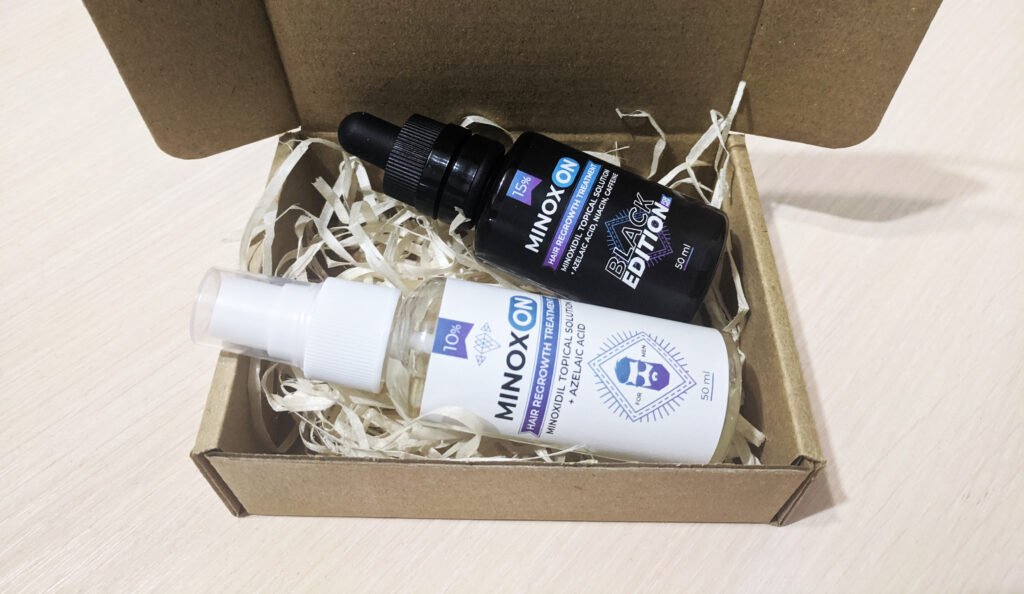
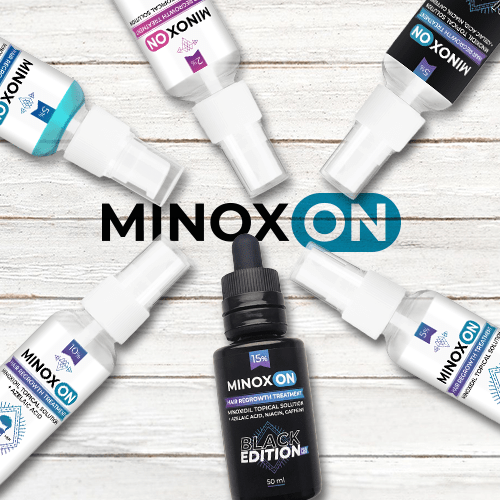
Most people who haven’t used minoxidil before ask themselves: Which concentration and form of the product should I choose? Products containing minoxidil in concentrations ranging from 2% to 15% are available in the form of lotions, gels, and foams, and the wider the selection, the harder it is to make a choice. However, let’s try to figure out where to start and how to choose the best product.
A little history
Minoxidil was synthesized in the late 1950s at the Upjohn laboratory (which later became part of Pfizer) for the treatment of peptic ulcers. However, studies showed that minoxidil was ineffective for treating peptic ulcers, but it is an effective vasodilator. Upjohn synthesized about 200 variants of the substance, including a formula developed in 1963 that was named minoxidil. This compound proved effective for treating high blood pressure, and in 1979, the U.S. Food and Drug Administration approved minoxidil specifically as a treatment for hypertension in tablet form under the brand name “Loniten.”
Further research into minoxidil revealed an unexpected side effect: hair growth.
Dermatologists conducted studies using a 1% minoxidil solution mixed with alcohol-based liquids. The effect of minoxidil on hair growth was so evident that in the 1980s, American physicians frequently prescribed “Loniten” to their patients for the treatment of baldness, despite the lack of official approval for this use.
On August 18, 1988, the FDA approved minoxidil for the treatment of male pattern baldness under the brand name "Rogaine." In 1991, minoxidil was approved for the treatment of female pattern baldness.
This material is taken from Wikipedia>.
Where should I start?
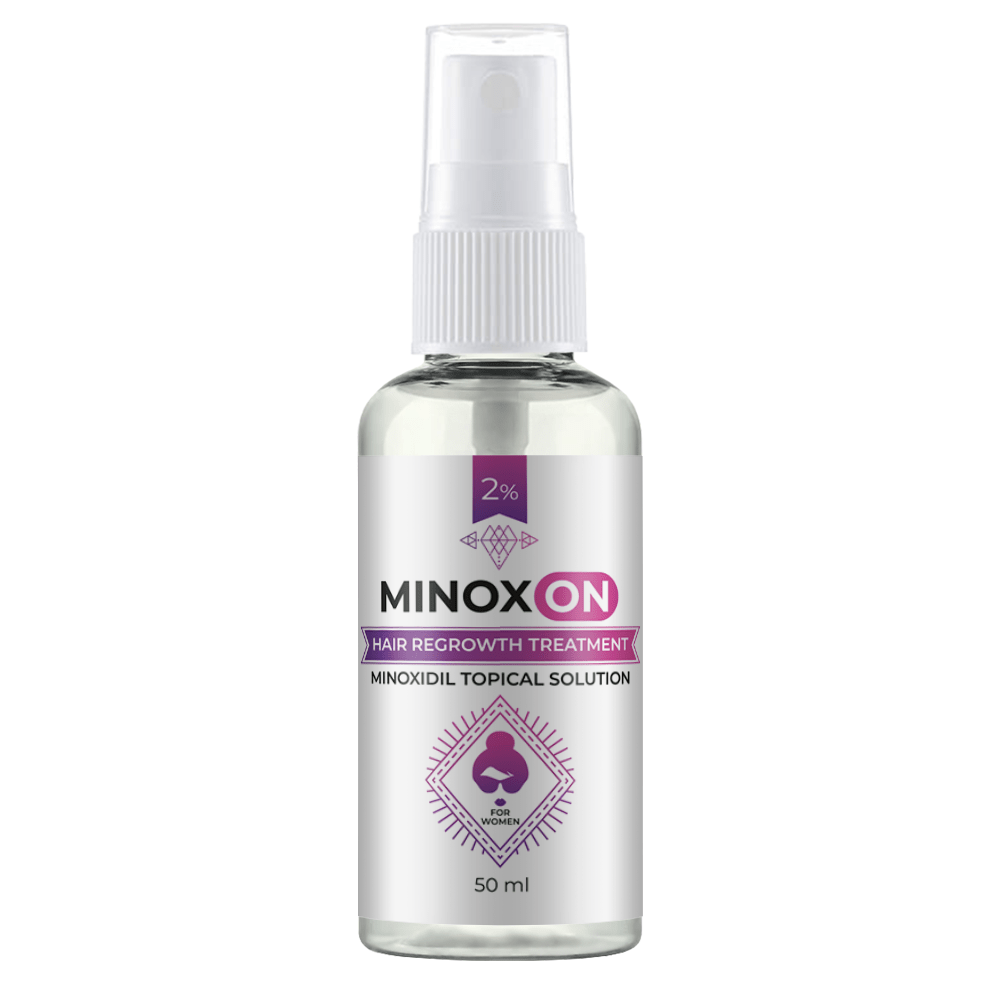
The most common products are those with a concentration of 5% minoxidil, since the vast majority of users are men. There are also products with a concentration of 2% minoxidil, 10% minoxidil and 15%. Since hair loss is less common in women and the problem itself is generally not as severe as in men, a 2% minoxidil concentration is optimal for achieving good results. In cases where hair loss is already at an advanced stage and the 2% solution does not produce the desired effect, it is advisable to use a 5% solution; however, this is the maximum concentration allowed for women. Men should start with the 5% solution.
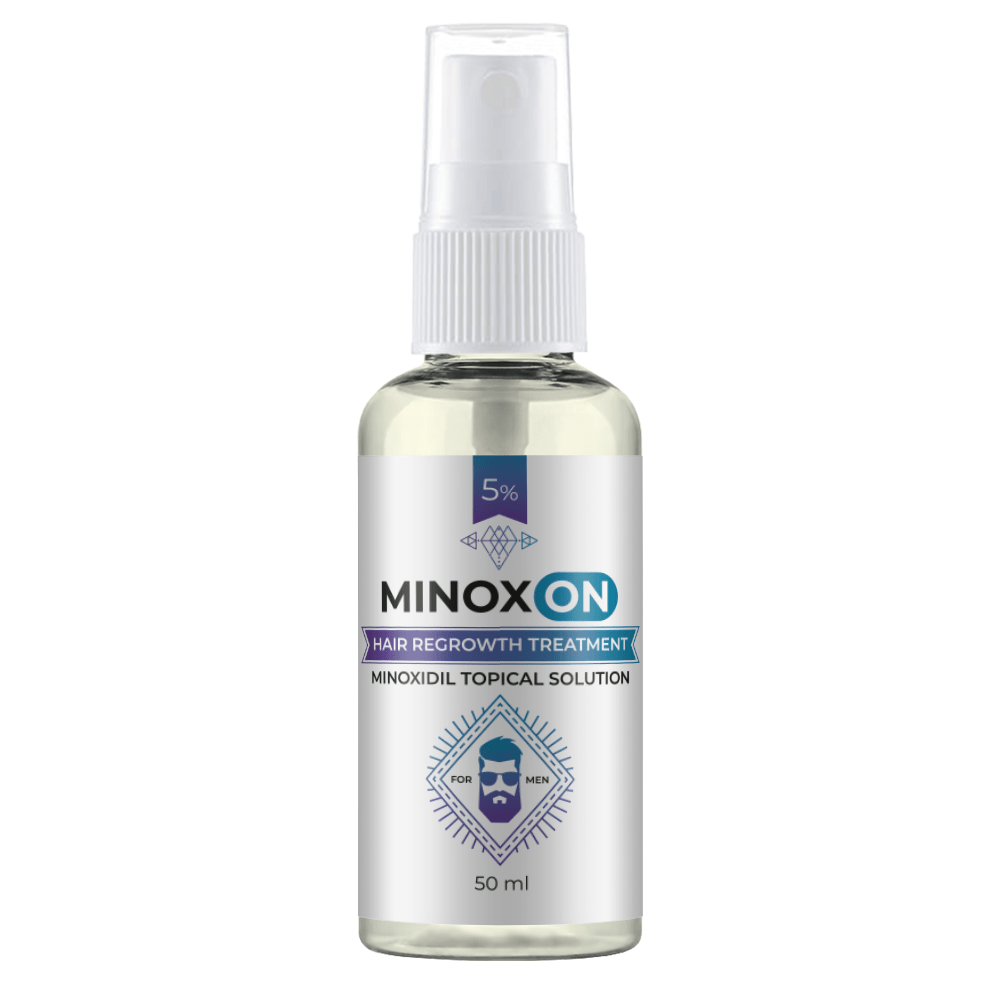
There are several types of 5% minoxidil available for beard or hair growth— classic lotion and gel. You can start using any of these products, since they all contain exactly 5% minoxidil. However, each one has its own unique features:
- Classic 5% minoxidil – the most common and best-known form of hair loss treatment. There are many similar products (Kirkland, Rogaine, etc.). The only active ingredient is minoxidil. It is suitable for most users.
- Gel – this propylene glycol-free formula doesn’t cause the side effects associated with the classic 5% lotion. It’s therefore ideal for people with sensitive skin. It’s also very easy to use.
When should you switch to higher concentrations?
It is recommended to continue the minoxidil treatment for at least 6 months. During this time, both new and existing hair will have time to become sufficiently strengthened, and the likelihood of withdrawal syndrome after discontinuing the treatment is minimal. However, in some cases, the treatment may last up to a year or longer if the beard is being grown from scratch or if the product is being used to treat alopecia.
Switching to 10% or 15% minoxidil is recommended if no noticeable results are observed after 3 months of using 5% minoxidil. Although, of course, you can start treatment with these concentrations, there is a high likelihood of side effects such as skin peeling and discomfort (itching, dryness).
It should be noted that hair growth is not linear. The effectiveness of minoxidil may be particularly noticeable during the first 2–3 months of use, and a temporary pause may occur after 3 months. Over time, the growth of existing and new hair will resume. Therefore, it is important to continue using the product, and the results you’ve been hoping for will become a reality.